
Internal parasitism is the leading cause of economic loss and mortality in goat herds worldwide. For pet goat owners the problem is just as real but often underestimated. This guide gives you the tools to set up an effective, targeted and sustainable deworming protocol for your herd.
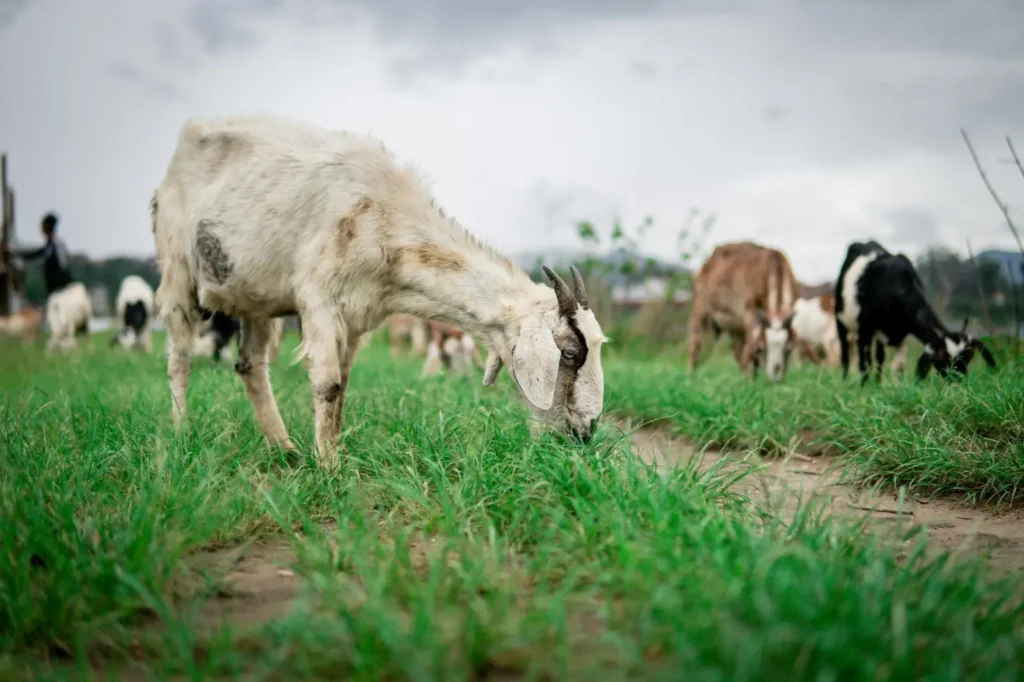
Contrôle vétérinaire régulier : indispensable pour le suivi parasitaire
Medical disclaimer: The information in this article is provided for educational purposes only. Any antiparasitic treatment should be prescribed or validated by a licensed veterinarian. Self-medicating is regulated and overuse of dewormers creates dangerous resistance that affects all goat herds.
Why Is Deworming So Critical in Goats?
Goats are especially susceptible to gastrointestinal strongyles, particularly Haemonchus contortus (the barber pole worm), which feeds on blood and can kill a weakened animal within weeks. Unlike cattle, goats have a faster metabolism and require higher doses of some molecules — which complicates resistance management.
The FAMACHA Method: Only Treat Animals That Need It
FAMACHA is a simple, scientifically validated technique to identify animals that need deworming without blanket-treating the whole herd. It involves comparing the color of the conjunctival mucosa (under the lower eyelid) to a 5-color reference card:
Annual Deworming Schedule
This schedule is a general guide — adapt it to your geographic context, pasture parasite pressure and your vet's fecal egg count recommendations.
- Fecal egg count before spring turnout
- Monthly FAMACHA scoring
- Targeted treatment if score ≥ 3
- Watch doelings and late-gestation does
- Peak parasite pressure season
- FAMACHA every 2 weeks
- Post-treatment fecal check (day 14)
- Extra vigilance for kids of the year
- Monthly FAMACHA scoring
- Targeted treatment before housing
- Do NOT treat systematically at housing
- Lower parasite pressure
- Quarterly FAMACHA check
- Fecal egg count if in doubt
- Monitor pregnant does before kidding
Fighting Anthelmintic Resistance
Resistance to dewormers is growing rapidly in European and North American goat herds, especially to benzimidazoles. To slow resistance development:
- Never blanket-treat — use FAMACHA or fecal egg counts to guide treatment
- Verify efficacy with post-treatment fecal egg count reduction tests (FECRT) at day 14
- Rotate drug classes according to a plan agreed with your vet
- Never under-dose — weigh animals and dose to actual body weight
- Quarantine treated animals 48 hours before returning them to pasture
- Maintain refugia: leave 20–30% of the least parasitized animals untreated to preserve a population of drug-sensitive worms
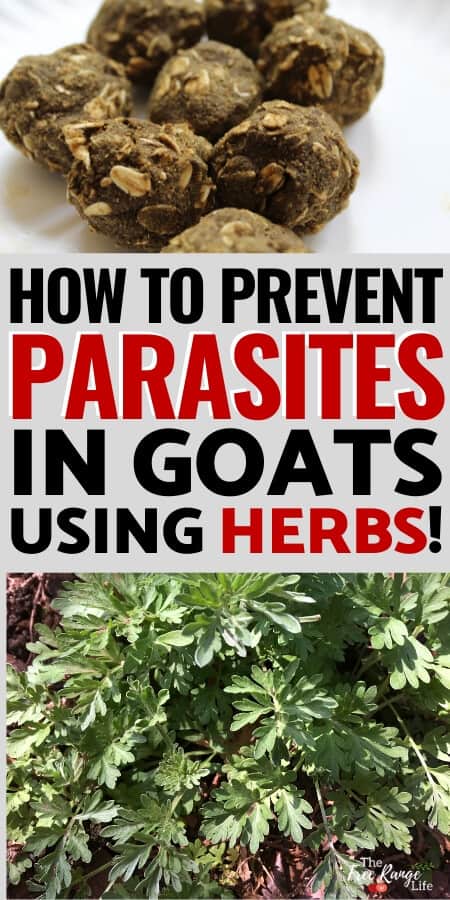
Approche intégrée : plantes répulsives et gestion du pâturage
Log treatments in CapriGen
CapriGen stores a complete deworming history per animal, sends renewal reminders and lets you export a health record PDF for your vet.
🩺 Try CapriGen free